

What are the four stages of labour?
Posted by Lisa Akins on 9th Oct 2026
Labour is usually described in three main stages, though a lot of maternity units count a fourth: the recovery period right after your baby arrives. Knowing roughly what each one involves, and how long they tend to take, doesn't make any of it predictable. Every labour runs to its own timetable. Knowing the stages does help you recognise your progress.
Stage one, early and established labour
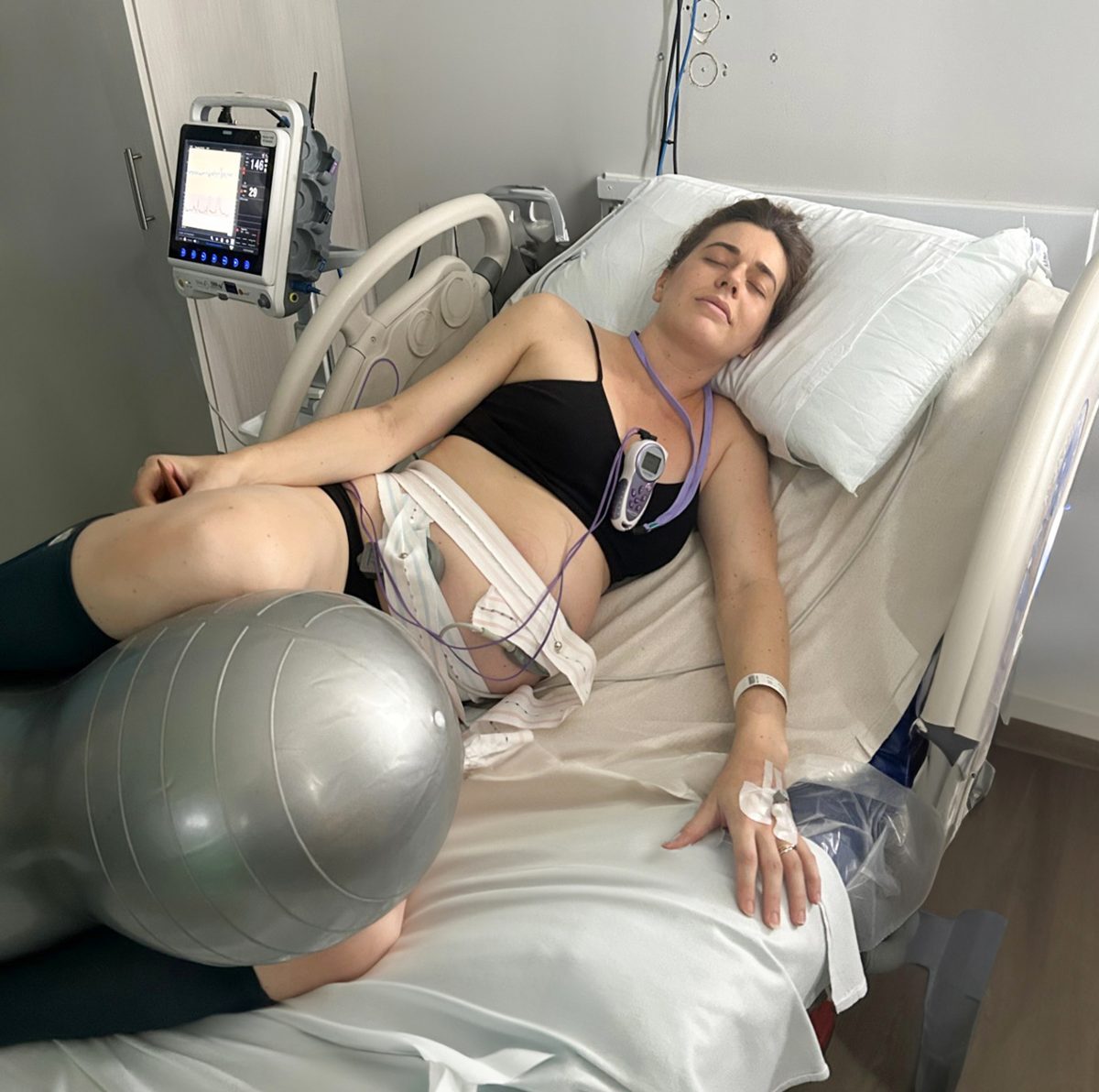
This is the longest stage for most people, and it starts before it properly feels like it has. The NHS explains that your cervix begins to soften and open in the latent phase, with irregular contractions that can run for many hours, sometimes days, before anything else changes. Established labour begins once your cervix reaches around 4cm and contractions become stronger and more regular. From there, full dilation is about 10cm. In a first pregnancy this stage usually takes 8 to 18 hours. Later pregnancies tend to move faster, more often 5 to 12 hours.
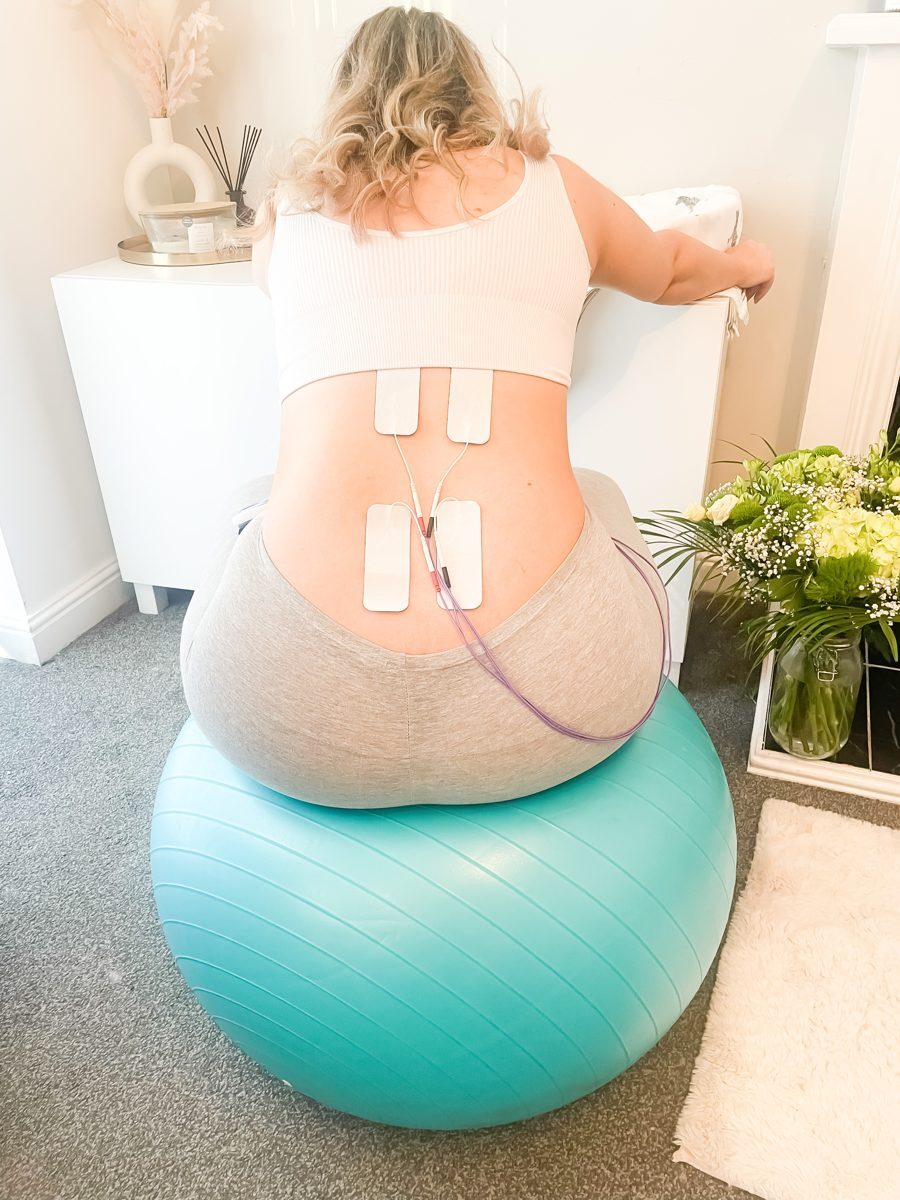
This is where most drug free pain relief earns its keep too. An Elle TENS machine is most useful in early labour. Elle TENS has a guide on timing if you're weighing up when to start.
TENS is short for transcutaneous electrical nerve stimulation. TENS machines send small electrical pulses through sticky pads on your skin. The NHS says it reduces the number of pain signals reaching your brain and is believed to encourage your body to produce more of its own natural painkillers, called endorphins. With the Elle TENS machine, you stick four pads to your back and turn the intensity up until you feel a pleasant pulsing sensation. When a contraction starts, you press the Boost Button for an extra surge of power, then press it again when the contraction ends. There are no known side effects for you or your baby. It's only for use once you're full term.
Stage two, pushing and birth
Stage two runs from full dilation to the birth itself. The NHS notes that pushing should last no longer than 3 hours for a first baby and no more than 2 hours if you've given birth before, though plenty of births are shorter than that. Once your baby's head is born, most of the hard work is over. It's intense while it's happening, and it's the shortest of the three main stages for most people.
Stage three, delivering the placenta
After your baby is born, your womb contracts to deliver the placenta. There are two ways this is managed: actively, using medication to speed things up, or physiologically, letting it happen on its own. Under active management, the placenta usually arrives within 30 minutes of the birth. Physiological delivery takes longer and follows your body's own timing rather than a set window.
Stage four, the first hours with your baby
Not every source numbers this as a separate stage, but the hour or two right after birth matters enough that many maternity units treat it as one. The NCT describes placing your baby on your bare chest straight away, with a blanket or warm towel over them for warmth, and encourages feeding within the first hour, whether that's breastfeeding or formula. Where possible, this time is left uninterrupted for at least an hour, ideally two, with routine checks like weighing held back until afterwards. Your baby's heart rate, colour, reflexes, tone and breathing are checked at 1 and 5 minutes, usually without you noticing it happening. You'll be monitored too, with your temperature, pulse, blood pressure and bleeding checked over the hours that follow.
Every labour runs at its own pace
Labour rarely runs exactly to this outline, and that's normal rather than a sign anything's gone wrong. If you're thinking through pain relief for the earlier stages, Elle TENS's FAQs and pad placement guide cover the practical questions that tend to come up.