
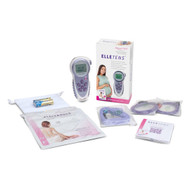
What to pack in your hospital bag for labour
Posted by Lisa Akins on 15th Oct 2026
Most people pack this bag around 36 weeks, since only 1 in 20 babies arrive on their actual due date and labour doesn't wait for a convenient moment. The NHS checklist below is a solid starting point, built around what you, your baby and your birth partner are likely to need over what can turn into a stay of a day or two, sometimes longer. Not everything on it will matter to you, and you'll probably add a few things it doesn't mention. Pack it, then leave it by the door so it's ready whenever things start.
For you
Some of this list is straightforward comfort. Some of it answers a question new parents don't always think to ask until they're on the ward. Front-opening or loose-fitting nightwear matters if you're planning to breastfeed, since you'll want easy access without getting fully dressed each time. The disposable knickers and maternity pads are there for the bleeding that follows birth, which tends to be heavier than a period, especially for the first few days.
- Your birth plan and hospital notes
- Loose, comfortable clothing to labour in
- TENS machine
- A dressing gown and slippers or flip-flops
- Nightwear, front-opening or loose-fitting if you're planning to breastfeed
- 3 changes of comfortable clothes for after the birth
- 5 or 6 pairs of knickers, disposable ones can be useful
- 2 or 3 comfortable bras, including nursing bras if you're breastfeeding
- Breast pads and 2 packets of super absorbent maternity pads
- A wash bag with toothbrush, toothpaste, hairbrush, flannel, soap, lip balm, deodorant, hair bands and hand sanitiser
- Your own pillow and a towel
- An eye mask, if it helps you sleep in an unfamiliar room
- Snacks, drinks and a water bottle
- A fan or water spray to cool down with
- Any medicines you take regularly
- Phone and charger, plus books, podcasts or a playlist for the slower stretches
- Spare glasses or contact lenses, if you wear them
- A spare bag for washing to bring home
Wards are often brightly lit around the clock, which is where the eye mask earns its place, and labour has a way of running long with slow stretches between contractions where a playlist or podcast helps the time pass. Pack the phone charger somewhere you won't have to dig for it in the middle of the night.
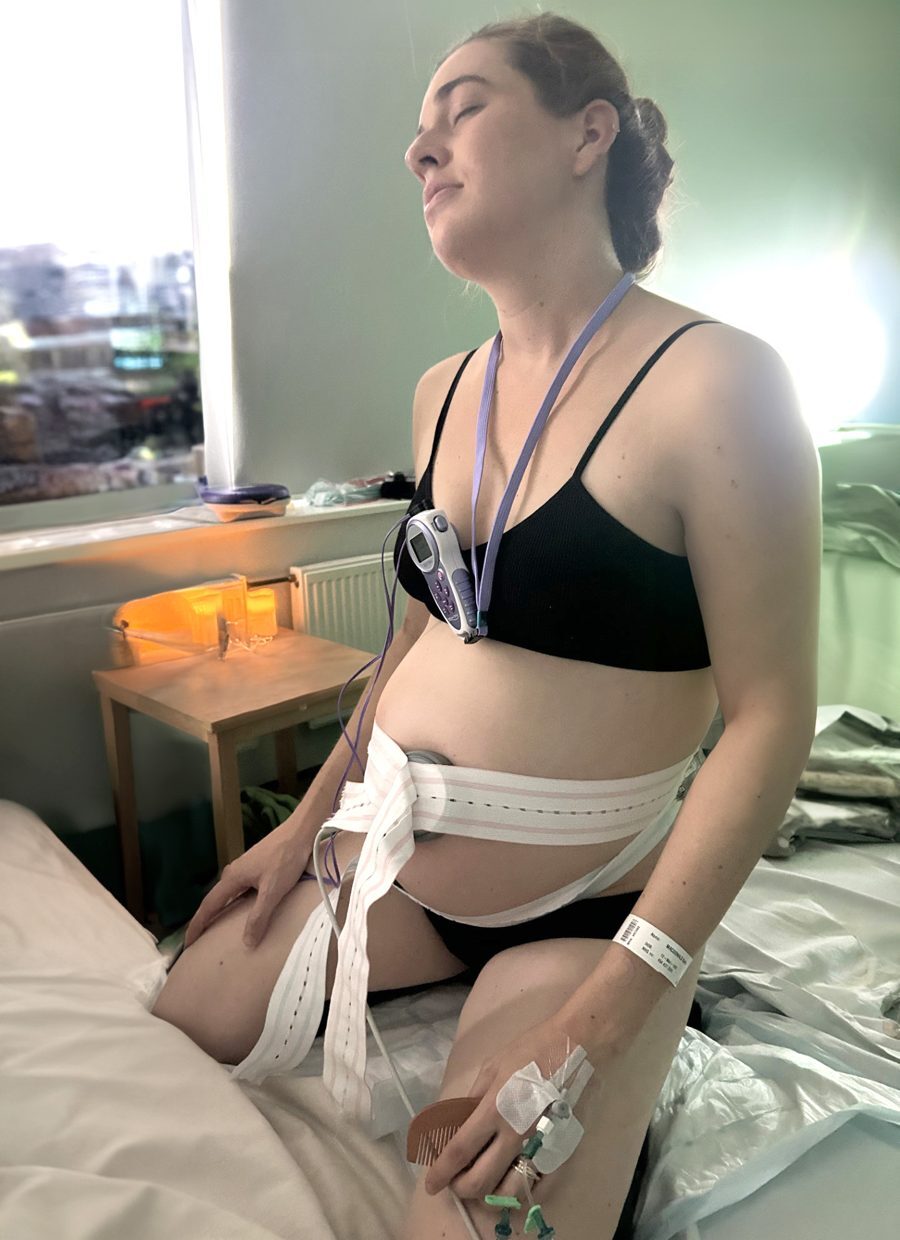
An Elle TENS machine is a must have on this list too. Unlike the other items on the list, it helps you take control of your labour pain. If you haven't come across TENS before, it's a small handheld unit that sends gentle electrical pulses through four sticky pads placed on your back. The NHS explains that TENS is believed to encourage your body to produce more of its own natural painkillers, called endorphins, and to reduce the pain signals reaching your brain. It's probably most effective in early labour, when the pain is often felt in the lower back. You put the pads on and switch the machine on at the onset of labour, so it may well be working before you've even left for hospital. Once it's on, you turn the intensity up to a level that feels comfortable and press the Boost Button as a contraction builds for a stronger surge of pulses.
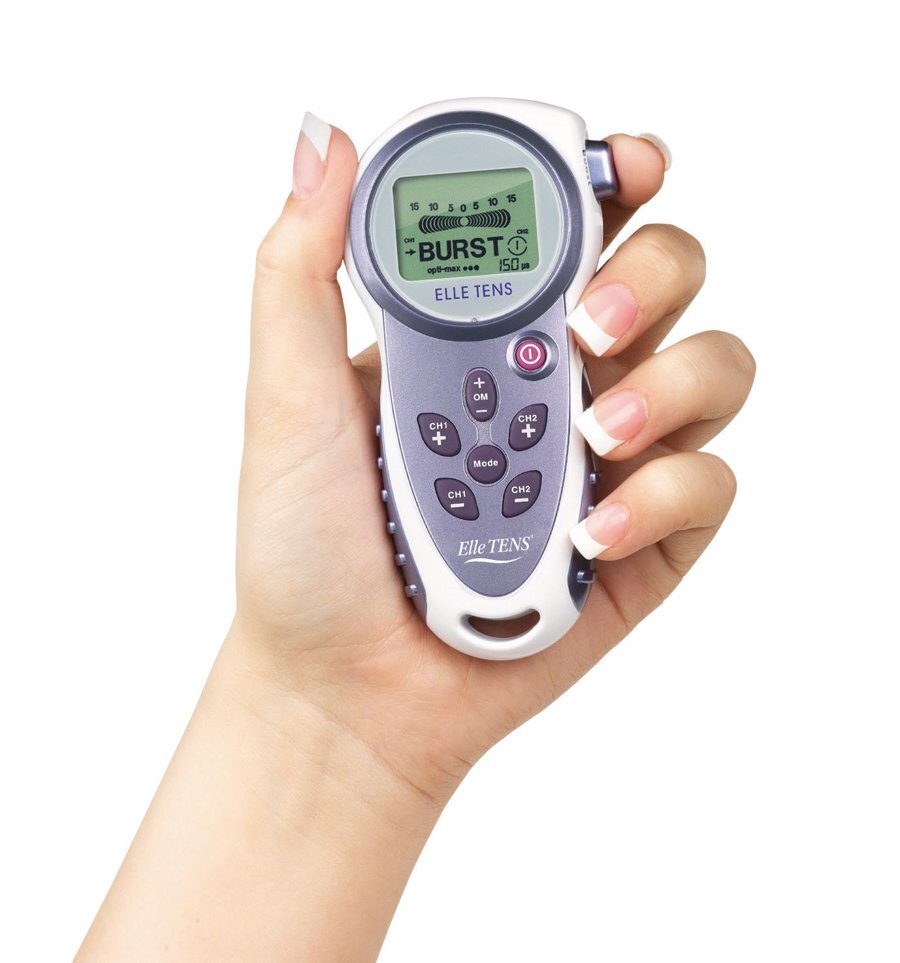
Some hospitals have TENS machines of their own, but not all do, so if you'd like one it's worth hiring or buying it in advance and getting used to it in the last few weeks of pregnancy. Pack spare electrode pads alongside it, since a long labour can wear through a set faster than you'd think, and read up on when to start using it before you're in the thick of things. Some people add a massage oil or massage ball too, for a birth partner to use during the early stages.
For your baby
Newborns run small, so pack a couple of sizes if you can. Some babies arrive smaller than the scan suggested and swim in newborn size for a few weeks. Layer for temperature rather than guessing at one outfit, hospitals run warm and the walk out to the car doesn't.
- Bodysuits, vests and sleepsuits
- An outfit for going home in
- A hat, scratch mittens, and socks or booties
- A snowsuit if the weather's cold
- Nappies, cotton wool or wipes
- Muslin squares
- A blanket or shawl
- A car seat fitted and ready for the journey home
The car seat isn't optional. Hospitals won't let you leave with your baby by car without one fitted and ready to go, so get it installed and checked before labour starts rather than working it out from the car park.
For your birth partner
Birth partners get forgotten in the packing more often than not, though their stay on the ward can run just as long as yours.
- A change of clothes
- Toothbrush, toothpaste and deodorant
- Phone and charger
- A camera, if you want photos beyond your phone
- Snacks and drinks, since hospital hours can be long
- Swimwear, if there's a birth pool involved
- Any medicines they take regularly
- Spare glasses or contact lenses, if they wear them
- Change for the car park and vending machine
Hospital food isn't always available outside set hours, so a birth partner who skips the snacks can end up going hungry for longer than planned. Loose change for parking and the vending machine solves more small problems than it looks like it should.
Don't forget the paperwork
Your hospital notes and birth plan matter more than most of what's in the bag. Bring your maternity notes, whatever ID or details the hospital has asked for, and a copy of your birth plan if you've written one, even a rough one. Check Elle TENS's FAQs if you have questions about fitting an Elle TENS machine into that plan.