
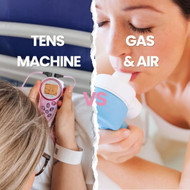
Is TENS Or Gas And Air Better For Labour Pain?
Posted by Lisa Akins on 31st Jul 2026
There isn't a clean winner here, and anyone telling you otherwise is probably selling something. TENS and gas and air work in different ways, suit different points in labour, and plenty of women end up using both rather than choosing between them.
It's worth looking at what each one actually does before deciding what might work for you.
How TENS works
It tends to be most useful in early labour, while you're still at home and moving around. Its effect on pain is gradual and builds over time rather than kicking in instantly, which means it's not much use if you're already in strong, established labour and reaching for it for the first time. It has no known side effects for you or your baby, and you can put it on or take it off whenever you like.
How gas and air works
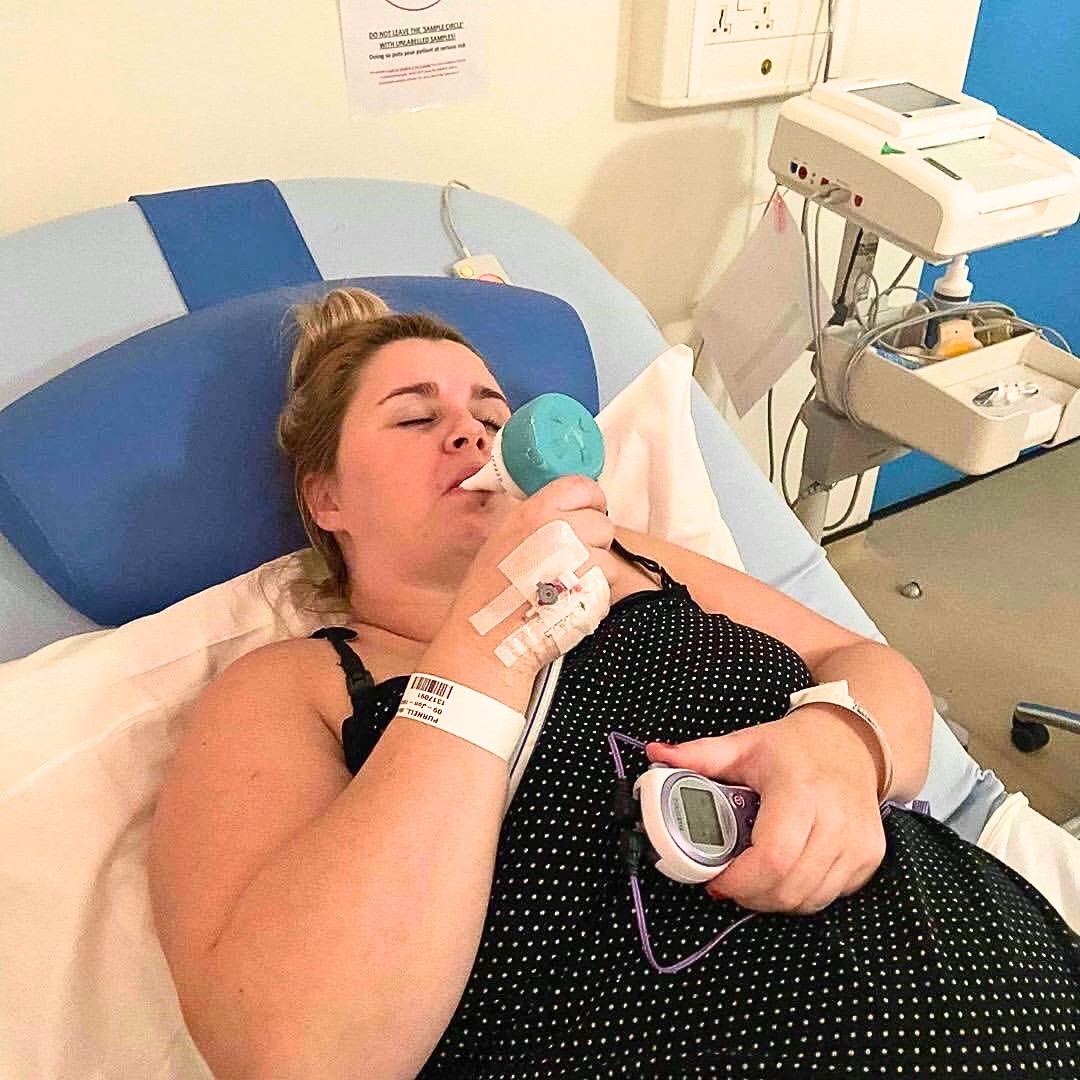
Gas and air, also known as Entonox, is a mix of oxygen and nitrous oxide that you breathe in through a mask or mouthpiece. It takes around 15 to 20 seconds to work, so the trick is starting to breathe it in right as a contraction begins.
NHS guidance is clear that gas and air won't remove all the pain, but it can take the edge off and make contractions easier to manage. Some women find it makes them feel lightheaded, sick or unable to concentrate, though these effects pass quickly once you stop using it. It's widely available in UK hospitals and during home births, and you're in control of it the whole time.
Where they differ
The biggest practical differences are timing and place. A TENS machine is designed to be used at home at the very onset of labour. It rewards starting early, since the endorphin effect needs time to build. The Boost Button on a TENS machine helps to manage contraction pain. Gas and air, however, is only administered once you are signed into hospital and at approximately 3cm dilated. It works well at any point once labour is active and established, and it's often reached for as contractions intensify, generally alongside TENS rather than instead of it.
There's also a difference in what the sensation feels like. TENS produces a tingling or buzzing feeling on your back, something to focus on rather than something that changes how your body feels internally. Gas and air has a more direct effect, and for some women that includes side effects like nausea or a woozy feeling that TENS simply doesn't carry.
Mobility is similar for both. Neither ties you to a bed, and you can move around, change position or use a birth pool with gas and air (though TENS pads need to come off before you get in water).
Which one is right for you
Honestly, this depends more on you than on the TENS machine or the gas. Some women get on well with the tingling sensation of TENS and find it genuinely helpful for hours at home before heading to hospital. Others find gas and air's quick, direct effect more useful once contractions are properly underway.
A few things worth thinking about:
- How you feel about side effects. TENS carries none that are known. Gas and air can make some women feel sick or drowsy.
- When you're likely to want relief. TENS suits early labour at home. Gas and air suits established labour, often in hospital or with a midwife present.
- Whether you want to use one or both. Plenty of birth plans include TENS for the early hours, followed by gas and air later on, sometimes alongside an epidural if labour continues for a while.
Neither option takes labour pain away completely, and it's worth going in with that expectation rather than hoping for one method to solve everything. Talking it through with your midwife at an antenatal appointment is the best way to work out what combination might suit your labour, rather than picking one in isolation months beforehand.
If you do want to try TENS as part of your plan, it's worth buying or hiring a TENS machine in good time so you can get familiar with it before labour starts. Gas and air, on the other hand, is provided by your hospital or midwife team, so there's nothing to arrange yourself beyond asking your midwife what's available.